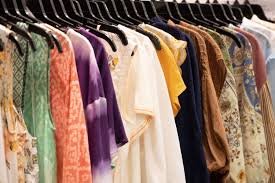
For a very long period, Delhi—a vibrant mix of modernity and old world—has been a vital part of India’s textile sector. Apart from the many contributions it has contributed to the fashion business, the kurti manufacturing scene of the city stands out for its drastic change. Originally a traditional clothing with great cultural significance, what began as such has developed into an adaptable fashion classic valued by people of many different ages and genders. Kurti Manufacturers in Delhi creates an amazing story of craftsmanship, ingenuity, and changing consumer demands that can be witnessed in many contexts, from sophisticated design studios to crowded wholesale markets.
The Kurtis Come from Culture in Delhi.
For hundreds of years, North Indians’ wardrobes have included kurtis as mainstay. Originally derived from the classic “kurta,” these clothing were mostly worn by ladies to provide them everyday comfort. Kurtis in
Traditionally worn in Delhi, Kurtis were distinguished by their simple shapes, long hemlines, and complex embroidery. Usually created by local artisans, these goods were sold via tailoring companies run by families, which formed the basis of the nearby textile industry. Several parts of Old Delhi still preserve these time-honoured designs, which appeal to customers who appreciate hand-made clothing with a strong cultural background even today.
What brought Delhi to become a Kurti Manufacturing Hub?
Delhi’s rising manufacturing powerhouse for kurtis is not a result of chance. The prosperity of the city has come from its strategic posture, trained workforce, and well rooted textile culture as well as from other factors. The near proximity of the site to other textile hubs like Jaipur and Panipat assures a consistent supply of raw materials, fabrics, and design concepts. Furthermore motivating the demand for a wide range of styles, from everyday casual wear to celebration attire, is Delhi’s diverse population.
Over time, a manufacturing ecosystem not only decentralised but also prospering in many significant areas like Gandhi Nagar, Lajpat Nagar, Karol Bagh, and Tank Road. Apart from serving as centres of wholesale and retail commerce, these areas also include several small and medium-sized manufacturing facilities that produce kurtis on a significant volume. Target clients for these kinds of kurti manufacturers include export markets, stores all throughout India, and online markets.
The stylish population living in Delhi serves as even another inspiring factor. Local consumers have a great need for kurtis that may combine traditional and contemporary designs as one foot is firmly anchored in history and the other in global trends. Manufacturers are always having to create, enhance, and refresh their collections in response to this twofold pressure to keep current with shifting seasonal trends.
The Modern Manufacturing Process Comfits the Artisanal Skill Set
One of Delhi’s most unique qualities is its kurti industry, which distinguishes modern production techniques with ancient skills in a seamless way. Though computerised cutting machines and pattern software have become standard in medium-to- large units, the last touches—embroidry, mirror work, block printing, or bead detailing—are still commonly completed by hand.
This hybrid technique guarantees not only that the clothes remain aesthetically pleasing but also that thousands of artisans will have employment all throughout the cities and the nearby areas. The objects created as a result abound in texture, diversity, and uniqueness—qualities absent in mass-produced worldwide clothing occasionally.
From A-line, straight-cut, flared, and asymmetrical forms, many kurti styles are highly sought after in Delhi. Summer lines are made from cotton and rayon; outfits more suited for formal or festive events are made from georgette, crepe and silk combinations. Fast to adopt new trends, designers and producers use ecological materials, minimalistic patterns, and Indo-western cutting into their goods and services.
Popular Manufacturing Zones and Industry Key Players
Long-standing manufacturers, emerging boutique companies, and specialist business-to—-business suppliers make up Kurti’s varied variety of Delhi-based operations. Apart from being the largest wholesale textile market in Asia, Gandhi Nagar has several kurti manufacturing facilities serving outlets all throughout India. Tank Road in Karol Bagh is another high-density zone that is particularly significant for mass-produced ready-made clothes.
Conversely, Lajpat Nagar and Shankar Market are the most often used options for boutique-style kurtis as they appeal to a customer more concerned with trend. Often first shown in these areas are fusion kurtis, designer collaborations, and ahead of their time collections.
Especially remarkable is the presence of garment export companies in Delhi producing kurtis for international fashion companies. These producers follow more strict quality standards, and they often provide more modern forms fit for the global fashion scene.
Internet purchasing and the shift to digital
Thanks to the growth of online e-commerce, Delhi’s kurti industry has seen notable change. Because companies like Amazon, Myntra, Ajio, and Flipkart obtain their items straight from manufacturers, even small-scale producers now have the ability to grow their business. The Delhi manufacturers have not only been able to attract more consumers with the rise of e-commerce but also driven to improve the quality of their production, packaging, and inventory control.
Moreover, many companies nowadays have their own D2C (direct-to—consumer) websites or social media shopfronts. Leading venues for displaying fresh collections, getting feedback from consumers, and even real-time purchase acceptance are now Facebook and Instagram.
This digital transformation has helped local businesses to adjust more rapidly to changing trends and seasonal demands. Using online channels helps businesses to quickly adjust to shifting trends and also reach a bigger audience all throughout India and beyond. This holds true whether the summer trend is pastel flowers or rich brocade motifs for Diwali.
Responsible manufacturing ethically and ecologically
The kurti makers in Delhi in recent years have started to see effects from a drive towards more ecologically friendly and morally conscious design. Consumers are increasingly eager in buying goods created from organic fibres, natural hues, and fair-wage items as they become more aware of the environmental impact of fast fashion. Reacting to the continuous demand for their goods, many boutique companies and mid-sized manufacturers in Delhi have begun including sustainable practices into their corporate strategy.
Several companies ensure ethical work standards and traceable sourcing via direct cooperation with weavers and craftspeople. Others are investing in packaging biodegradable or in techniques of pattern-making that generate less trash. Though the sustainable kurti market is now somewhat tiny in comparison to the mass-market sector, it is becoming more and more popular and suggesting that the sector is moving in a good direction.
Challenges the Industry Must Face
The kurti manufacturing company in Delhi has many challenges even if it has considerable resources. Labour restrictions, especially after the pandemic, have caused a disturbance in the production schedules for several units. The rising cost of raw resources as well as the fierce competition from neighbouring locations such Jaipur, Surat, and Kolkata are also affecting price and profit margins.
Moreover, the lack of compliance and standardising among smaller manufacturers might affect the consistency of both delivery and quality. Many businesses still mostly depend on physical labour, hence it is difficult to grow without sacrificing the quality of their output. But Delhi’s textile industry is still developing because of its agility and entrepreneurial energy.
Kurtis’s manufacturing in Delhi: What Future Calls for
Looking forward shows Delhi’s kurti manufacturing scene to be well suited for greater development and creativity. The incorporation of technology—the likes of which include AI-driven inventory systems, sustainable textile research and development, and smart supply chains—is projected to define the direction of future expansion. Over the course of consumer preferences, it is expected that the need for gender-neutral fashion, adjustable designs, and inclusive sizes will grow.
Cooperation among manufacturers, fashion designers, and e-commerce sites also helps to open the path for more intelligent and customised fashion experiences. Using a mix of virtual try-ons, artificial intelligence style suggestions, and limited-edition apparel releases, Delhi’s kurti company is able to remain ahead of the curve.
Conclusion
Delhi’s path in producing kurtis is evidence of its ability to embrace change while also honouring legacy. From handwork that has endured the test of time and rich textile histories to global fashion trends and growth motivated by technology, the sector reflects the diverse and dynamic character of the capital city. Delhi is still a first-rate location for both consumers and businesses at the same time when it comes to buying premium kurtis that provide current flair along with cultural depth.
One thing is quite clear: the Kurti Manufacturers in Delhi are not only creating clothes but also influencing the direction of Indian fashion, thread by stitch, despite the bluriness of the differences between traditional and contemporary design.