
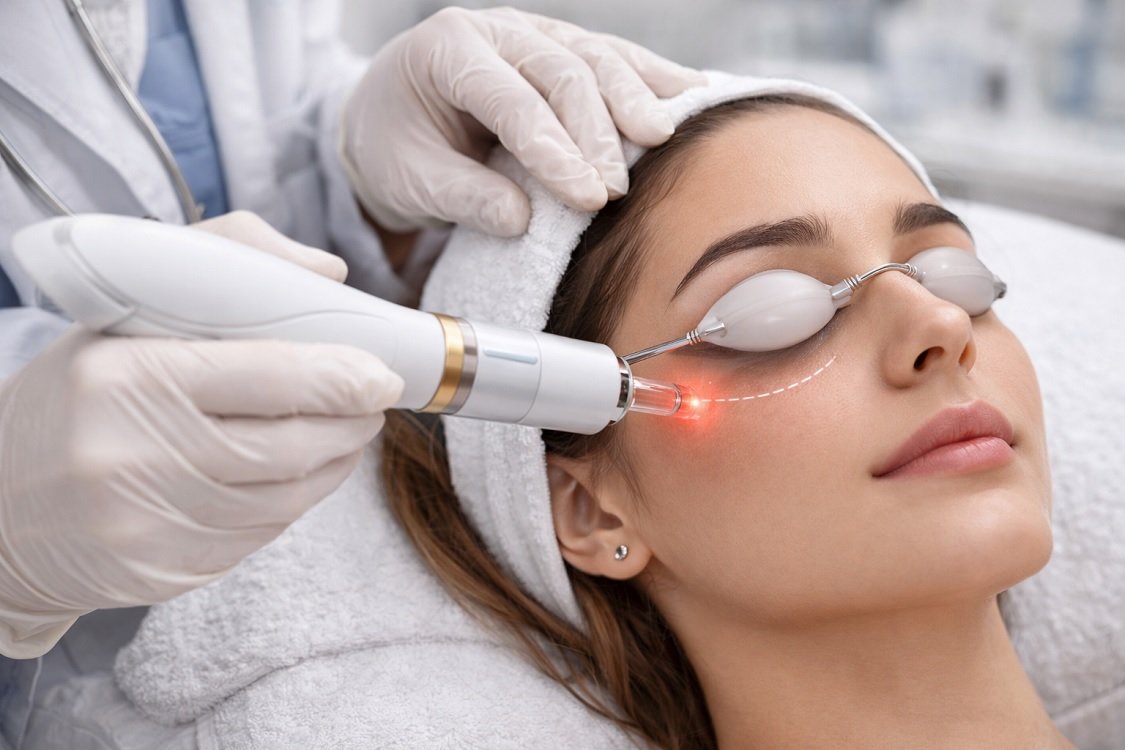
Dark circles under the eyes are common cosmetic concerns that can make individuals appear tired, aged, or stressed. While topical creams and home remedies often provide minimal improvement, modern dermatology now offers advanced clinical solutions with long-lasting results. One of the most effective and medically approved procedures is laser treatment for dark circles, which targets pigmentation, vascular issues, and skin texture at a deeper level.
Understanding Dark Circles from a Clinical Perspective
Before exploring treatment, it is important to understand that dark circles are not caused by a single factor. Dermatologists classify them into different types: pigmented, vascular, structural, and mixed dark circles. Pigmented dark circles occur due to excess melanin production, while vascular dark circles are caused by visible blood vessels under thin skin. Structural dark circles result from hollowness or shadowing under the eyes, and mixed types combine multiple causes.
Clinical evaluation is essential because the underlying cause determines the most suitable laser modality. Unlike natural remedies, clinical laser therapies are evidence-based procedures designed to correct the root cause rather than temporarily masking the condition.
What Is Laser Treatment for Dark Circles?
Laser therapy is a non-surgical dermatological procedure that uses focused light energy to treat pigmentation, improve skin thickness, and stimulate collagen production around the under-eye area. The treatment is performed by trained dermatologists or cosmetic surgeons in a clinical setting using FDA-approved laser devices.
Different types of lasers work in distinct ways. Some target melanin deposits, others improve vascular discoloration, and some enhance overall skin rejuvenation. The precision of laser technology makes it one of the most advanced clinical treatments available for stubborn dark circles.
Types of Clinical Laser Treatments Used for Dark Circles
1. Q-Switched Laser Treatment
Q-switched lasers are commonly used for pigmented dark circles. These lasers break down excess melanin deposits under the skin, gradually reducing discoloration. The procedure is safe for most skin types and requires multiple sessions for optimal results.
2. Fractional Laser Therapy
Fractional lasers target deeper skin layers and stimulate collagen production. This helps thicken the under-eye skin, reducing the visibility of blood vessels and shadowing. It is especially beneficial for individuals with thin skin and aging-related dark circles.
3. Pulsed Dye Laser (PDL)
This laser specifically treats vascular dark circles caused by blood vessel visibility. By targeting hemoglobin, the laser reduces bluish or purplish discoloration and improves overall skin tone.
4. CO2 Laser Resurfacing
CO2 laser is an advanced clinical procedure used for severe cases. It resurfaces the skin, reduces pigmentation, and tightens the under-eye area. This treatment is typically recommended for patients with significant skin laxity and deep dark circles.
How Laser Treatment Works on Dark Circles
Laser technology works by delivering controlled energy into the skin layers. The energy is absorbed by pigments or blood vessels depending on the type of dark circles. This process breaks down pigmentation, improves microcirculation, and stimulates natural collagen production.
Over time, the treated skin becomes brighter, thicker, and more even-toned. Unlike creams that work only on the surface, clinical laser treatments address deeper dermatological concerns for more sustainable improvement.
Procedure: Step-by-Step Clinical Process
The laser treatment process begins with a detailed skin consultation. A dermatologist examines the type, severity, and cause of dark circles before recommending a suitable laser modality.
During the procedure, the under-eye area is cleansed and a protective gel or anesthetic cream may be applied. The laser device is then gently passed over the targeted area, delivering controlled pulses of energy. The session usually lasts between 15 to 30 minutes depending on the treatment plan.
Post-procedure, patients may experience mild redness or sensitivity, which typically subsides within a few hours to a couple of days.
Benefits of Laser Treatment for Dark Circles
One of the primary advantages of clinical laser therapy is its precision. The treatment specifically targets problem areas without damaging surrounding tissues. This makes it safer and more effective compared to invasive surgical options.
Another significant benefit is long-term improvement. Laser treatments stimulate collagen regeneration, which enhances skin quality over time. Patients often notice gradual brightening of the under-eye area after multiple sessions.
Additionally, laser therapy is customizable. Dermatologists can adjust the intensity and type of laser based on skin tone, sensitivity, and underlying causes of dark circles, ensuring personalized clinical care.
Who Is an Ideal Candidate for Laser Therapy?
Laser treatment is suitable for individuals who have persistent dark circles that do not respond to topical treatments. It is especially recommended for patients with:
- Genetic pigmentation under the eyes
- Thin under-eye skin
- Vascular discoloration
- Age-related skin thinning
- Chronic dark circles due to hyperpigmentation
However, patients with active skin infections, certain medical conditions, or extremely sensitive skin should undergo a professional consultation before proceeding.
Number of Sessions Required for Visible Results
The number of sessions varies depending on the severity and type of dark circles. Mild pigmentation may require 3–4 sessions, while deeper discoloration may need 6–8 sessions for optimal results. Sessions are typically spaced 3–4 weeks apart to allow skin recovery and regeneration.
It is important to note that laser treatment offers gradual improvement rather than instant results. Collagen remodeling and pigmentation reduction occur progressively over time.
Safety and Side Effects of Clinical Laser Treatments
When performed by qualified dermatologists, laser treatment for dark circles is considered safe and clinically reliable. Modern laser devices are designed with advanced cooling systems and adjustable settings to minimize discomfort and complications.
Common temporary side effects include mild redness, slight swelling, and sensitivity around the eyes. These effects usually resolve within a few days. Serious complications are rare when proper clinical protocols are followed.
Patients are advised to avoid sun exposure, apply dermatologist-recommended sunscreen, and follow post-treatment skincare guidelines to prevent pigmentation recurrence.
Cost of Laser Treatment for Dark Circles
The cost of clinical laser therapy varies based on the type of laser used, clinic location, and number of sessions required. On average, each session can range from moderate to premium pricing depending on the technology and expertise involved. While the initial cost may be higher than topical treatments, the long-term results often make it a worthwhile investment.
Laser Treatment vs Other Clinical Dark Circle Treatments
Compared to chemical peels, fillers, and topical depigmentation creams, laser therapy offers deeper and more targeted correction. Chemical peels mainly address surface pigmentation, while fillers work best for hollow under-eyes. Laser treatment, on the other hand, can simultaneously address pigmentation, vascular visibility, and skin texture.
This multi-dimensional approach makes laser therapy one of the most comprehensive clinical treatments available in aesthetic dermatology.
Post-Treatment Care and Maintenance
After laser sessions, proper aftercare is crucial to maintain results. Dermatologists typically recommend gentle skincare products, hydration, and consistent sun protection. Medical-grade eye creams with peptides and hyaluronic acid may be prescribed to support healing and collagen production.
Regular follow-up sessions and maintenance treatments may be suggested depending on the patient’s skin condition and lifestyle factors.
Final Thoughts on Clinical Laser Therapy for Dark Circles
Laser treatment has revolutionized the way dermatologists manage chronic and stubborn dark circles. With advanced technology, personalized treatment plans, and clinically proven outcomes, it offers a safe and effective solution for long-term under-eye rejuvenation. Unlike temporary cosmetic fixes, clinical laser procedures address the root causes of discoloration, making them a preferred choice in modern aesthetic medicine.
For individuals seeking a scientifically backed and medically supervised solution, laser therapy remains one of the most reliable clinical treatments for achieving brighter, healthier, and more youthful under-eye skin.
Nathaniel Cruz is a professional health and aesthetic dermatology writer specializing in laser treatment for dark circles, under-eye pigmentation care, and advanced non-invasive cosmetic procedures. He focuses on explaining clinical laser technologies and dermatological treatments in a clear, reader-friendly manner, helping individuals understand safe, effective options for improving under-eye appearance and skin health.