Trade shows and brand activations have become far more competitive than they were a few years ago. Visitors no longer stop at booths just because there’s a banner or a product display. Brands now need experiences that attract attention instantly and keep audiences engaged long enough to create meaningful interactions.
This is why many Experiential Marketing Agencies are using interactive games as a core strategy during exhibitions, expos, mall activations, product launches, and corporate events. Interactive games help brands:
- Increase booth traffic
- Improve audience engagement
- Generate leads
- Encourage social sharing
- Create memorable brand experiences
Here are 10 interactive game ideas brands can use to make their activations more engaging and memorable.
1. Spin Wheel With Branded Rewards
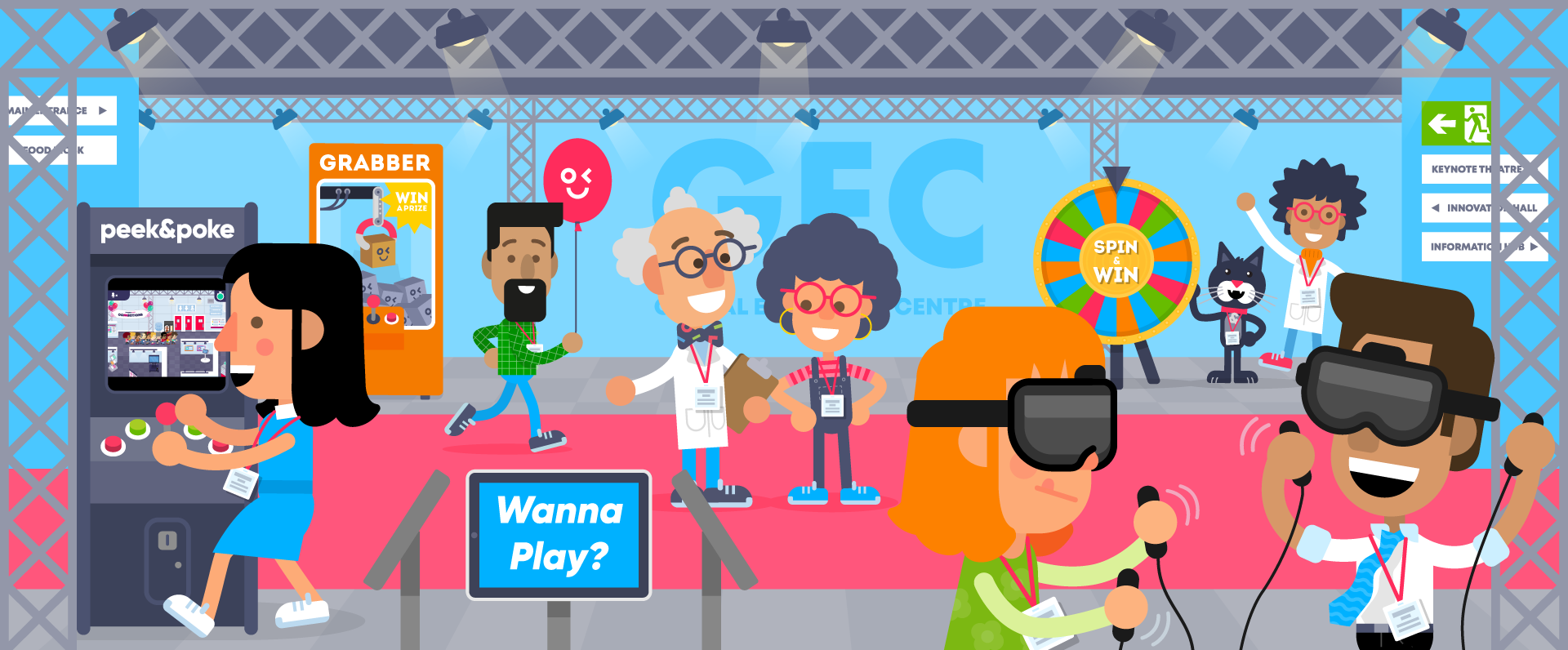
The spin wheel remains one of the most effective engagement tools because it combines simplicity with excitement. Visitors spin a digital or physical wheel to win:
- Discount coupons
- Merchandise
- Gift hampers
- Trial products
- Cashback offers
- Bonus entries
Why it works:
- Easy to understand instantly
- Creates curiosity
- Encourages participation
- Generates visible crowd activity
Many brands also customize wheel segments around products, campaigns, or seasonal promotions.
2. Digital Claw Machine
Claw machines attract attention naturally because people enjoy watching others attempt to win prizes.
Brands can customize the machine with:
- Product samples
- Promotional merchandise
- QR-based rewards
- Limited-edition items
Digital claw machines are especially effective at:
- Increasing dwell time
- Creating social moments
- Drawing crowds visually
They also work extremely well for retail and youth-focused activations.
3. Fast-Tap Reaction Challenge
Reaction games are one of the easiest ways to create competitive energy at events. The concept is simple:
Players tap buttons or screens as quickly as possible within a limited time. These games often include:
- Real-time scoreboards
- Multiplayer modes
- Daily rankings
- Timed challenges
Why brands use them:
- Very short gameplay sessions
- High replay value
- Competitive excitement
- Perfect for leaderboards
These are commonly used at technology expos, sports activations, and automotive events.
4. Product-Catching Game
In this game style, users catch falling branded products on a touchscreen or motion-controlled display. For example:
- Catch beverage bottles
- Collect sneakers
- Grab cosmetics
- Avoid competitor products
This type of game is highly customizable and helps reinforce product visibility repeatedly during gameplay. Benefits include:
- Strong branding opportunities
- Easy onboarding
- Fun visual design
- Quick participation flow
Many Custom Branded Games are designed around product interaction mechanics like this because they combine gameplay with direct brand exposure.
5. Trivia Challenge
Trivia games are excellent for both engagement and education. Brands use them to:
- Teach product features
- Increase awareness
- Train audiences
- Promote campaigns
- Test brand knowledge
Popular formats include:
- Rapid-fire quizzes
- Touchscreen trivia walls
- Team competitions
- QR-based mobile quizzes
Trivia games work especially well in:
- Healthcare
- Technology
- Education
- Manufacturing
- Corporate events
Because participants actively think about the answers, brand recall often improves significantly.
6. AR Scavenger Hunt
Augmented reality scavenger hunts combine exploration with technology. Participants scan markers, products, or locations using their smartphones to unlock:
- Clues
- Hidden rewards
- 3D experiences
- Bonus challenges
- Digital collectibles
Why brands love AR scavenger hunts:
- Encourages movement around the venue
- Increases product interaction
- Feels innovative and futuristic
- Generates strong social sharing
This format is increasingly popular for malls, exhibitions, festivals, and campus activations.
7. Memory Match Game
Memory games are simple but surprisingly effective for engagement. Players match branded cards, products, logos, or campaign visuals within a limited time. Brands use memory games to:
- Reinforce visual identity
- Promote product lines
- Educate audiences
- Create light casual interaction
These games are ideal for:
- Family audiences
- Retail environments
- Educational campaigns
- High-footfall exhibitions
Because the gameplay is simple, almost anyone can participate instantly.
8. AI Selfie Booth
AI-powered selfie booths have become one of the most shareable event experiences. Users take photos and receive:
- AI-generated portraits
- Stylized avatars
- Branded templates
- Fantasy transformations
- Themed social images
Popular themes include:
- Superhero versions
- Sports themes
- Cyberpunk looks
- Professional headshots
- Event-branded art styles
AI selfie booths are extremely effective for:
- Social media reach
- User-generated content
- Crowd attraction
- Brand visibility online
People naturally share personalized images across platforms after the event.
9. Racing Leaderboard Challenge
Racing games create strong competitive engagement at activations. Visitors compete for:
- Fastest lap times
- Highest scores
- Team rankings
- Tournament rewards
These can be:
- Driving simulators
- Arcade-style touchscreen racers
- Motion-controlled experiences
- VR racing setups
Why racing games perform well:
- Spectator-friendly
- Competitive atmosphere
- Repeat participation
- Strong visual energy
Leaderboards help maintain engagement throughout the event day.
10. Gesture-Controlled Games
Gesture-controlled experiences allow users to interact without physical controllers. Players use body movement, hand gestures, or motion tracking to:
- Dodge obstacles
- Hit targets
- Control avatars
- Complete fitness-style challenges
These experiences feel highly immersive and naturally attract crowds because spectators can clearly see the interaction happening. Benefits include:
- No learning curve
- High visual impact
- Family-friendly interaction
- Touchless participation
Gesture-controlled games are particularly popular for large LED walls and public event spaces.
Why Interactive Games Work So Well at Events
Interactive games succeed because they transform passive audiences into active participants. Instead of simply looking at a booth, visitors:
- Compete
- Explore
- React
- Collaborate
- Win rewards
- Share experiences
This creates emotional engagement, which improves:
- Brand recall
- Lead quality
- Social visibility
- Visitor dwell time
In many cases, attendees may forget brochures or presentations — but they remember the experience they played.
The Future of Brand Activations Is Playable
As attention spans become shorter and competition at events continues increasing, interactive experiences are becoming essential rather than optional. Brands that create engaging, playable experiences stand out more effectively in crowded environments. Whether it’s:
- A quick reaction challenge
- A multiplayer leaderboard
- An AR treasure hunt
- An AI selfie booth
The goal remains the same:
Create experiences people actively want to participate in. And that’s exactly why interactive games are becoming one of the most powerful tools in experiential marketing today.