
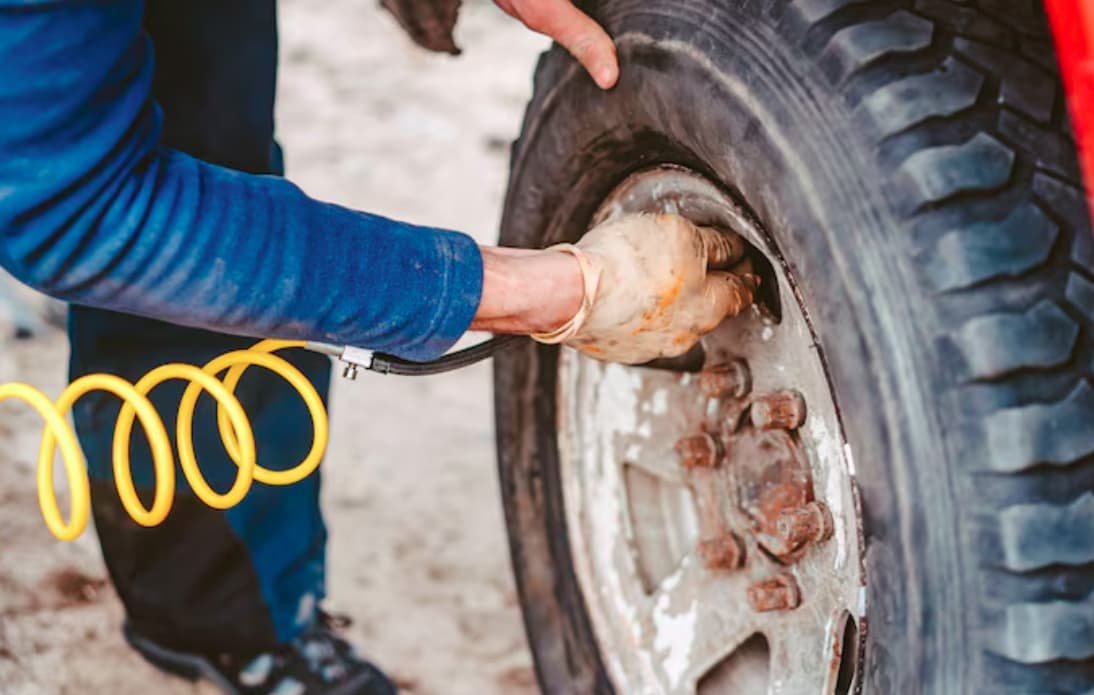
Tyres: Selecting appropriate replacement components for your vehicle is a vital aspect of routine maintenance that directly impacts your safety and driving experience. While many drivers opt for brand-new equipment, some choose to explore the market for used options to manage costs.
However, purchasing used components requires a high degree of caution and scrutiny. Before deciding on this route, it is essential to understand the specific risks and quality markers that determine whether a product is safe for continued use on the road.
1. Inspecting Tread Depth Carefully
The most important factor when evaluating potential replacements is the remaining tread depth. Safety regulations mandate a minimum tread depth to ensure sufficient grip, especially in wet or slippery conditions.
When inspecting part worn tyres, use a dedicated gauge to measure the depth across several points of the surface. If the tread is near the legal limit, the value of the purchase decreases significantly, as you will need to replace them again in a very short period.
2. Checking for Structural Integrity
Visual inspections can reveal significant internal damage that might not be immediately obvious. Look for any signs of cuts, punctures, or bulges on the sidewalls, which are often indicative of internal structural failure.
A bulge typically suggests that the internal fabric cords have been compromised, making the item dangerous for high-speed driving.
When looking for part worn tyres, any evidence of previous repairs, such as patches on the inside, must also be evaluated by a professional to ensure the integrity remains sound.
3. Verifying the Age and Manufacturing Date
Rubber is a material that naturally degrades over time, regardless of how much it has been used. Every product features a date stamp on the sidewall, indicating the week and year of manufacture.
If a set is more than a few years old, the rubber may have begun to harden or crack, leading to reduced performance and increased risk of failure.
Always verify the age to ensure you are not installing components that are already nearing the end of their functional lifespan.
4. Assessing the Brand and Uniformity
For optimal handling and stability, it is best to install items that are of the same brand, model, and wear pattern. Mixing different types on the same axle can negatively impact your vehicle’s alignment and braking performance.
When sourcing part worn tyres, try to find sets that have been removed from the same vehicle to ensure they have experienced similar driving conditions. Uniformity across all four wheels provides a consistent feel and maintains the manufacturer-intended handling dynamics of your car.
5. Identifying the Source and Professional Testing
Where you purchase your equipment matters immensely. Reputable dealers who specialize in quality control are far more reliable than private sellers.
Professional shops often pressure-test their stock to ensure there are no hidden leaks or internal issues that a casual glance might miss.
By choosing to source your part worn tyres from a trusted establishment, you reduce the risk of buying items that have been improperly stored or damaged during removal from a previous vehicle.
6. Understanding the Long-Term Cost
While the initial price point of used options is attractive, you must calculate the total cost over time. If a used set has a short remaining lifespan, you may find yourself paying for frequent installations and replacements.
Compare the cost per mile against new products to determine if the savings are truly significant. Often, investing in new, high-quality equipment provides better long-term value, superior performance, and the peace of mind that comes with a full safety warranty.